

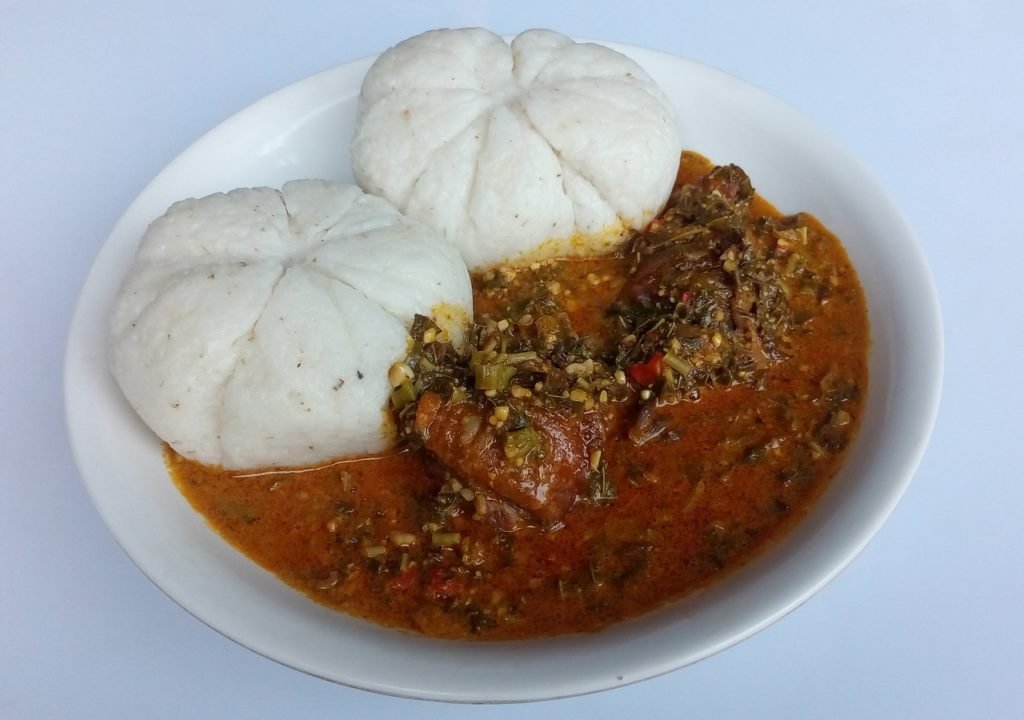
South Africa boasts a diverse and vibrant culinary landscape that reflects the country’s rich cultural heritage and history. From indigenous dishes to influences brought by settlers and migrants, South African cuisine is a delightful fusion of flavors and techniques. This guide delves into the heart of South African food, exploring its most iconic dishes, ingredients, and culinary traditions.
Traditional South African Dishes
Braai: The Quintessential South African Barbecue
A braai, short for “braaivleis,” is more than just a barbecue; it is a social event that brings people together. Traditionally, a braai involves grilling meat over an open flame, often using wood or charcoal. Common meats include boerewors (a type of sausage), lamb chops, and beef steaks. The braai is usually accompanied by side dishes such as:
- Pap: A porridge made from maize meal, similar to polenta.
- Chakalaka: A spicy vegetable relish.
- Potato Salad: Often creamy, providing a cooling contrast to the grilled meats.
Bobotie: A Flavorful Mince Dish
Bobotie is a classic Cape Malay dish that features spiced minced meat baked with an egg-based topping. It combines ground meat, typically beef or lamb, with a blend of spices, dried fruits, and bread soaked in milk. This mixture is topped with a custard-like layer and baked until golden brown. Bobotie is traditionally served with yellow rice, chutney, and sambals.
Biltong and Droëwors: South African Jerky
Biltong and droëwors are popular dried meats that are similar to jerky. Biltong is made from beef, game, or ostrich, seasoned with vinegar, salt, and spices before being air-dried. Droëwors, on the other hand, is a dried sausage made from spiced ground meat. These snacks are high in protein and are often enjoyed during sporting events or as a convenient snack.
Bunny Chow: A Durban Street Food Staple
Originating from Durban, bunny chow is a hearty street food consisting of a hollowed-out loaf of bread filled with curry. The curry can be made with various meats such as chicken, lamb, or beef, and is typically very spicy. Bunny chow is a perfect example of the fusion between Indian and South African cuisines.
South African Ingredients and Flavors
Spices and Seasonings
South African cuisine is known for its bold use of spices. Some of the most commonly used spices and seasonings include:
- Coriander: Used in both ground and seed form.
- Cumin: Adds warmth and depth to dishes.
- Turmeric: Provides a vibrant yellow color and earthy flavor.
- Ginger and Garlic: Essential in many marinades and sauces.
- Peri-Peri: A hot chili pepper used to add heat.
Indigenous Ingredients
Several indigenous ingredients play a crucial role in South African cooking:
- Sorghum: A grain used in traditional porridges and beers.
- Amadumbe: A type of tuber similar to sweet potato.
- Morogo: Wild spinach used in various stews and side dishes.
The Influence of Different Cultures
Cape Malay Influence
The Cape Malay community has significantly influenced South African cuisine, especially in the Western Cape. Their cooking style is characterized by the use of aromatic spices, such as cinnamon, cloves, and cardamom, and ingredients like dried fruit and nuts. Cape Malay dishes often balance sweet and savory flavors, as seen in bobotie and denningvleis (a sweet and sour lamb stew).
Dutch and British Contributions
The Dutch and British settlers introduced various dishes and cooking methods to South Africa. The Dutch brought with them techniques such as pickling and baking, which led to the creation of dishes like:
- Koeksisters: Sweet, braided doughnuts soaked in syrup.
- Melktert: A milk tart with a custard filling.
The British influence is evident in dishes such as:
- Fish and Chips: A popular fast food in coastal areas.
- Sunday Roast: A traditional meal consisting of roasted meat, potatoes, and vegetables.
Indian Influence
Indian laborers brought to South Africa in the 19th century left a lasting impact on the country’s food culture. Indian spices, cooking techniques, and dishes have become integral to South African cuisine. Notable contributions include:
- Curry: Rich, aromatic dishes often made with a blend of spices.
- Samosas: Deep-fried pastry filled with spiced meat or vegetables.
- Roti: A type of flatbread used to scoop up curries.
Culinary Traditions and Celebrations
Heritage Day: A Celebration of Diversity
Heritage Day, celebrated on September 24th, is a day when South Africans honor their diverse cultural heritage. Food plays a central role in these celebrations, with many people hosting braais and sharing traditional dishes from various cultural backgrounds.
Street Food and Markets
South Africa’s vibrant street food scene and markets offer a glimpse into the country’s culinary diversity. From Cape Town’s V&A Waterfront to Johannesburg’s Maboneng Precinct, visitors can sample an array of local delicacies, including:
- Vetkoek: Deep-fried dough balls filled with savory or sweet fillings.
- Gatsby: A large sandwich filled with meats, fries, and sauces.
- Boerie Roll: A hot dog-like roll filled with boerewors and topped with relish.





Leave a Reply