

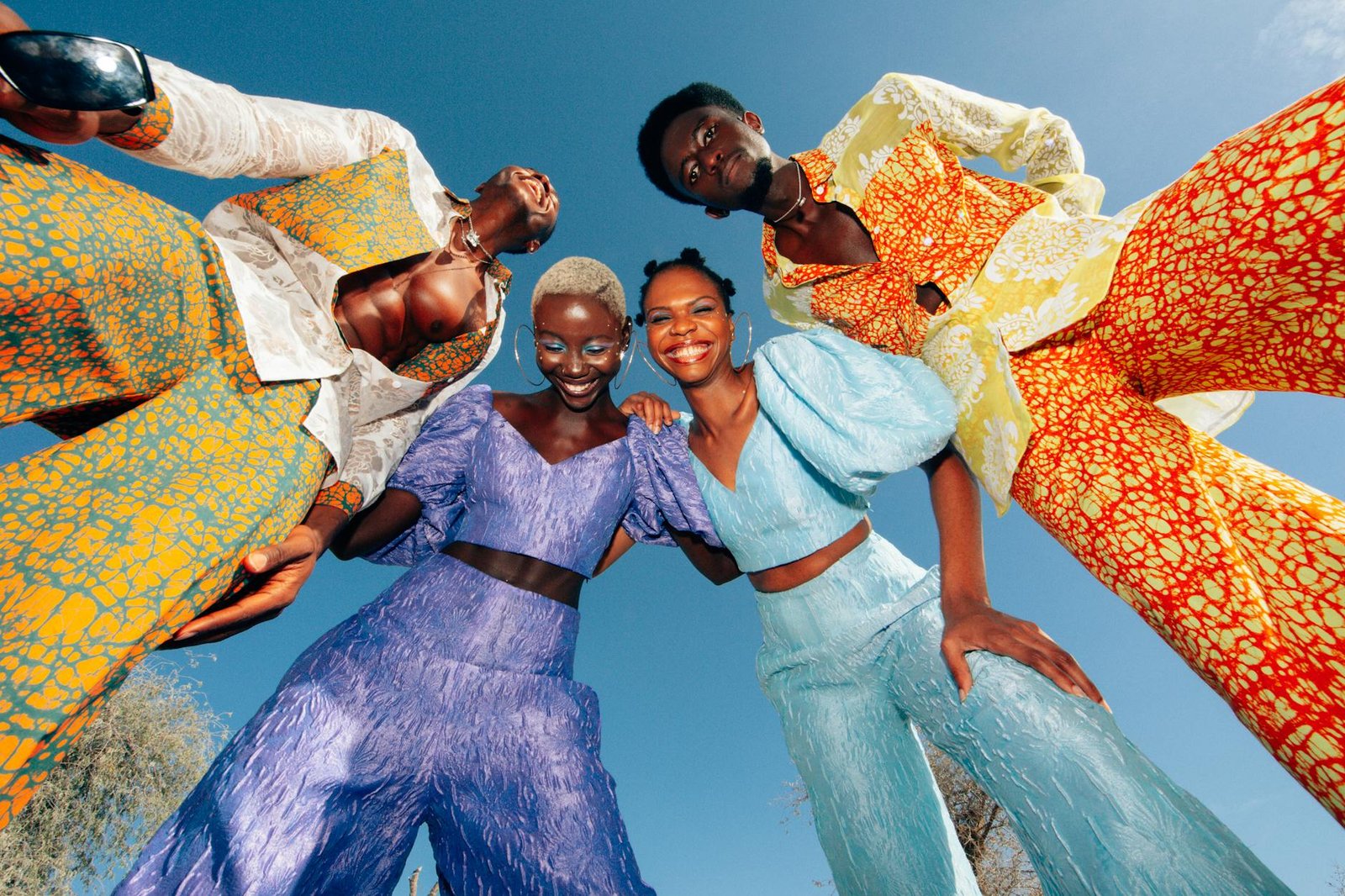
In the kaleidoscope of global fashion, Africa emerges as a vibrant and burgeoning hub, brimming with rich cultural heritage and untapped potential. The fashion sector in Africa is not merely about clothing; it’s a narrative of creativity, resilience, and opportunity. As we delve into the intricate weave of fabrics and textiles that define African fashion, we uncover a tapestry of diversity and innovation waiting to be explored. African fabrics hold a legacy steeped in tradition and symbolism. From the intricate patterns of Ankara to the bold motifs of Kente, each fabric tells a story of heritage and identity. Ankara, originating from West Africa, boasts vibrant colors and geometric designs, reflecting the spirit of celebration and community. On the other hand, Kente fabric, woven by the Ashanti people of Ghana, embodies prestige and cultural pride, with each pattern carrying profound meanings. Beyond fabrics, the art of textile-making in Africa is a testament to ingenuity and craftsmanship. Traditional techniques such as hand-dyeing, weaving, and batik printing have been passed down through generations, preserving age-old traditions while embracing modern innovation. Adire in Nigeria and Shweshwe in South Africa are prime examples of indigenous textile arts that have captivated the global fashion scene with their authenticity and flair.
The fashion industry in Africa is valued at approximately $31 billion, reflecting the region’s growing influence and economic significance in the global fashion landscape.
From Lagos to Johannesburg, African cities are emerging as vibrant fashion capitals, fostering a dynamic ecosystem for designers, entrepreneurs, and artisans. Lagos, known for its bustling markets and avant-garde fashion scene, epitomizes the fusion of tradition and modernity. Meanwhile, Johannesburg’s vibrant street style and burgeoning design industry showcase the continent’s creative prowess on a global stage. In the ever-evolving landscape of fashion, Africa stands at the cusp of unprecedented growth and expansion. With a youthful population and a burgeoning middle class, the continent offers a fertile ground for investment and entrepreneurship in the fashion sector. From sustainable fashion initiatives to digital e-commerce platforms, there exists a myriad of opportunities to harness Africa’s rich cultural heritage and transform it into economic prosperity. Despite its immense potential, the fashion sector in Africa faces a myriad of challenges, ranging from infrastructural constraints to intellectual property rights issues. Inadequate access to financing, lack of skilled labor, and counterfeit products pose significant hurdles to growth and innovation. However, by fostering collaboration between governments, private sector stakeholders, and NGOs, these challenges can be addressed to unlock the full potential of Africa’s fashion industry. In an increasingly digital world, technology is reshaping the landscape of African fashion, offering new avenues for market access and brand visibility. From mobile e-commerce platforms to virtual fashion shows, digital innovation is revolutionizing the way African designers reach global audiences. Initiatives such as African Fashion Week and online marketplaces like Afrikrea are empowering designers and artisans to showcase their creations on a global stage, transcending geographical barriers and unlocking new markets.





Leave a Reply